In early January 2026, a wave of nostalgia for 2016 has swept across social media platforms, particularly TikTok, as users commemorate the 10-year anniversary of that year by reviving its distinctive trends and aesthetics. This resurgence has led to a significant increase in searches for "2016 songs" and related content.
TikTok users have been employing filters reminiscent of 2016's vibrant, oversaturated hues, with popular choices like the "2016" and "Late night 17's" filters. These filters have been used to recreate the visual style of social media posts from that era. The hashtag #2016 has experienced a surge of over 450% in recent weeks, while searches for "2016 songs" and "2016 makeup" have risen by 290% and 600%, respectively, between January 1 and January 11. (forbes.com)
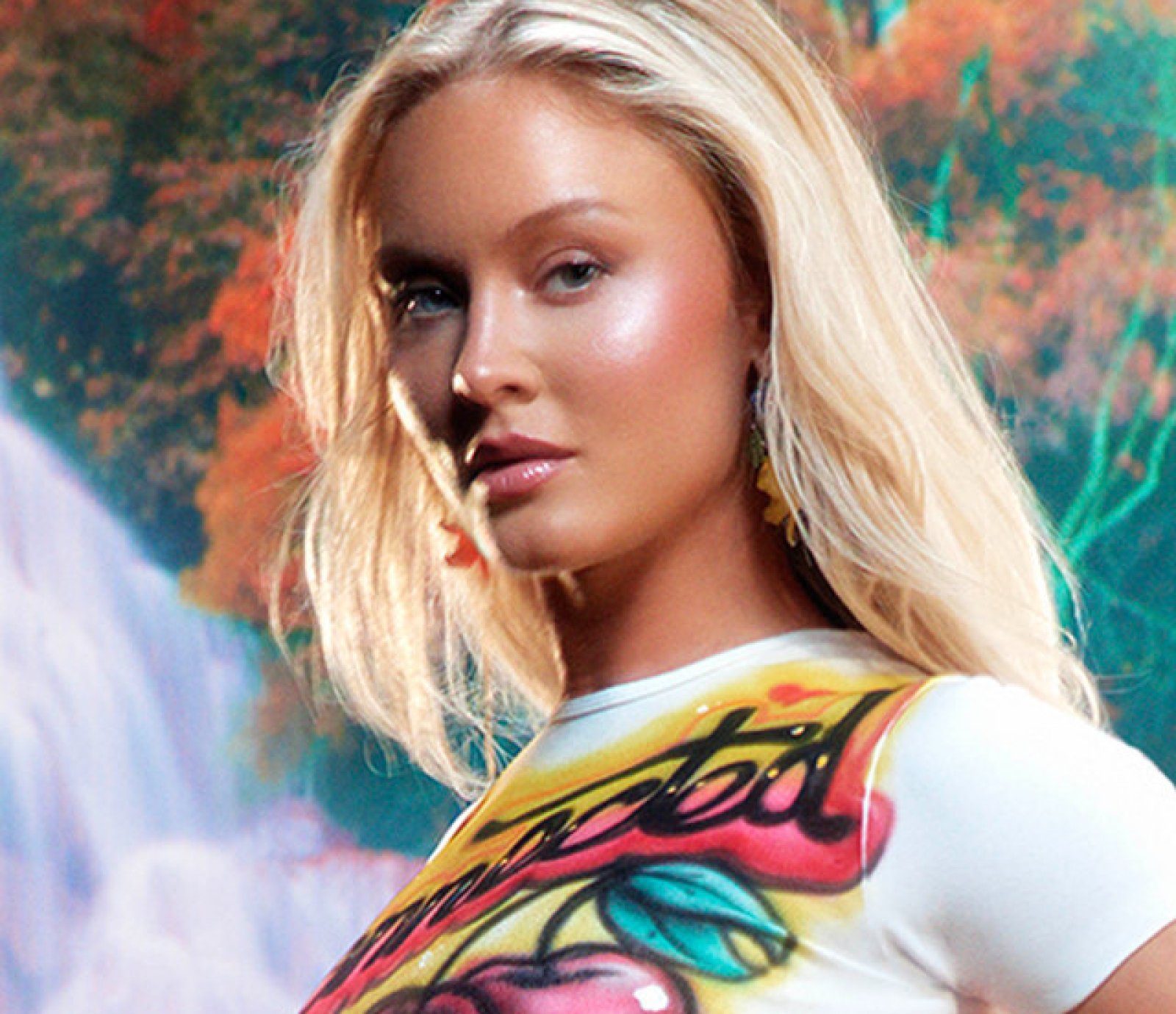
Among the songs experiencing a revival is Zara Larsson's 2016 hit "Lush Life," which has become a favored soundtrack for many TikTok videos celebrating the year. The song has climbed to No. 8 on the U.K. singles chart and re-entered the U.S. Billboard Hot 100 at No. 70. Additionally, it has jumped 50 spots on the U.S. Spotify singles chart to No. 35. (forbes.com)
Celebrities are also participating in this trend. Charlie Puth shared a TikTok video set to his 2016 collaboration with Selena Gomez, "We Don't Talk Anymore," captioned, "Heard it was 2016 again?" The Chainsmokers posted a video using their song "Paris," commenting, "2016 nostalgia getting out of hand." Demi Lovato joined in by posting a video with her 2018 song "Solo," using the "Late night 17's" filter and wishing followers a "happy 2016." (forbes.com)
This collective yearning for 2016 reflects a broader cultural trend where individuals seek comfort in past experiences, especially during uncertain times. By revisiting the music, fashion, and digital aesthetics of a decade ago, social media users are creating a shared space to celebrate and reminisce about a period that, in hindsight, feels simpler and more carefree.